Arimasu vs imasu (あります・います): things, people and animals
Use います for people and animals. Use あります for objects and plants when saying that they exist or are somewhere.
Choose by the thing you are describing
- ねこがいます。 (Neko ga imasu.) — There is a cat
- ほんがあります。 (Hon ga arimasu.) — There is a book
- きがあります。 (Ki ga arimasu.) — There is a tree
“Living things use imasu” is an unreliable shortcut: a tree is alive, but takes あります. “Things that can move” also needs care: a parked car takes あります, and a sleeping cat still takes います.
Add the place with に
いえにねこがいます (Ie ni neko ga imasu) means “There is a cat at home.” The place comes with に, and the cat with が. You can also set an existing topic first: ねこはいえにいます (Neko wa ie ni imasu), “The cat is at home.” The topic changes the framing; the cat still takes います.
Make the sentence negative
The polite negatives are ありません and いません. ほんがありません means there is no book; ねこがいません means there is no cat. Do not swap in です just because English translates several Japanese constructions with “is.”
Try it before looking
- A dog: いぬが __ 。
- A flower: はなが __ 。
- No cat: ねこが __ 。
Show answers and reasons
- います: a dog is an animal.
- あります: plants use arimasu.
- いません: the negative of imasu.
Next: the location contrast between に and で.
Keep practising
Listen to the hiragana chart and practise words with pictures. Read a short example, cover the reading, then say it again from the script.
Reference: The Japan Foundation: Irodori. Explanations and practice here are written by Remlori.
Practise sounds, words and sentence building in the free first chapter.
Start Japanese Lesson 1Compare an animal, an object and a plant
ねこがいます: there is a cat. かさがあります: there is an umbrella. はながあります: there is a flower. The flower is alive, but normally uses あります.
ねこ · cat
neko
Picture and sound mnemonic

ね (ne) → Net + こ (ko) → Cone
かさ · umbrella
kasa
Picture and sound mnemonic
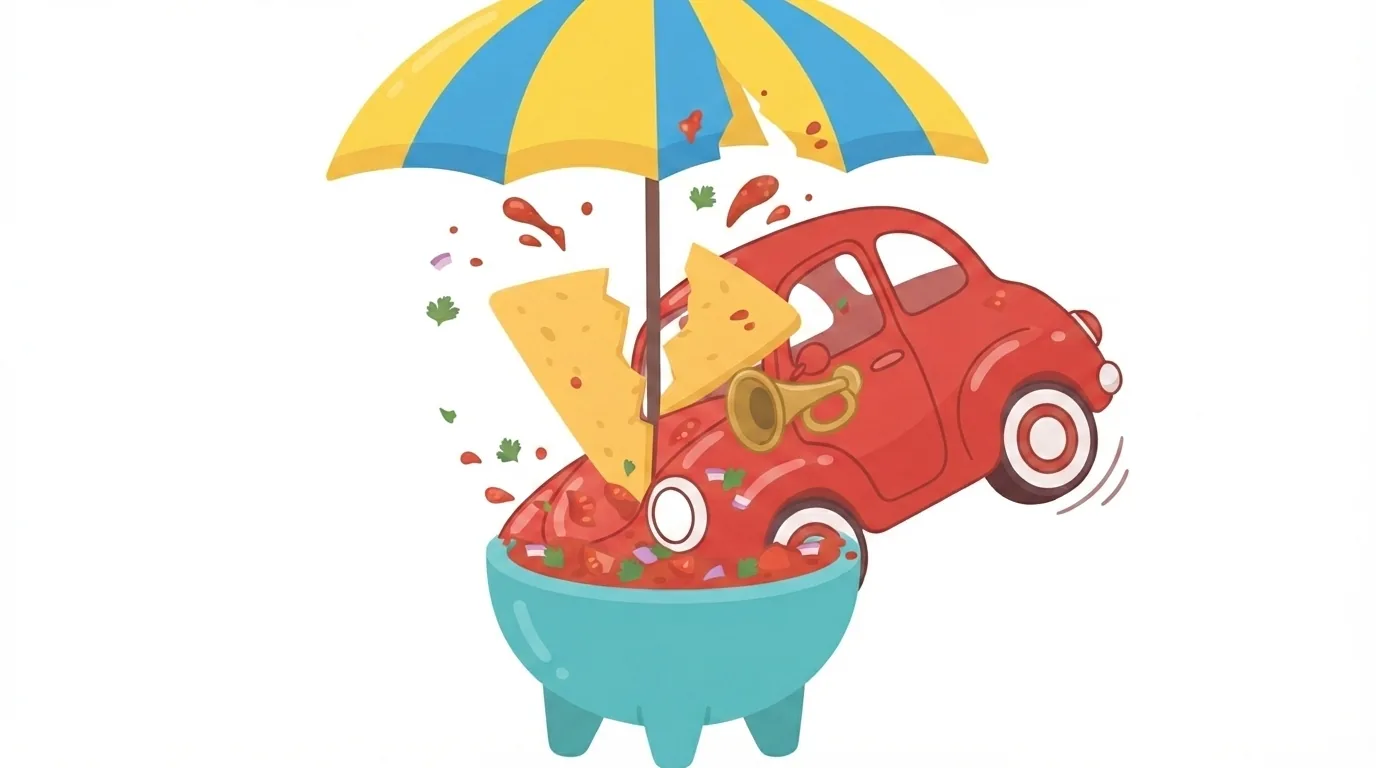
か (ka) → Car + さ (sa) → Salsa
はな · flower
hana
Picture and sound mnemonic
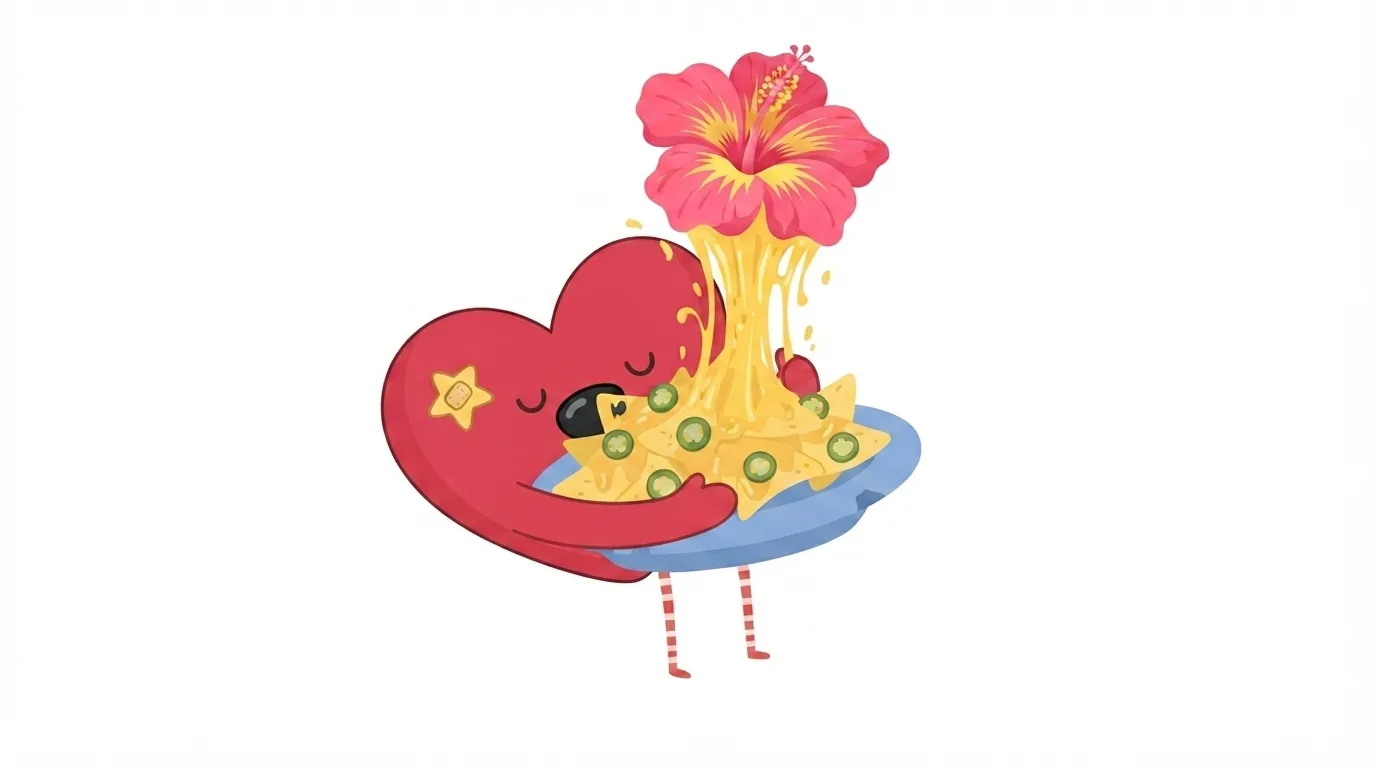
は (ha) → Heart + な (na) → Nachos
Practise these choices, negatives and questions →