Japanese for complete beginners: where to start
Starting Japanese from zero, it's hard to know what comes first. Here is a simple order that gets you saying real sentences quickly.
1. Learn the sounds before anything else
Japanese has a small set of sounds, and almost every syllable is a consonant plus a vowel: ka, ki, ku, ke, ko. Begin with the five vowel sounds, roughly "ah, ee, oo, eh, oh". These English approximations are only a starting point; use the audio for the Japanese pronunciation. Once you can hear and say these sounds, every new word is just a short string of them.
Many basic sounds use one hiragana character; combined sounds such as きゃ use two. You don't need to memorize the whole chart in one sitting; learning each character as you meet it in real words works well. The hiragana chart links to recordings and picture cues.
2. Pick up everyday words
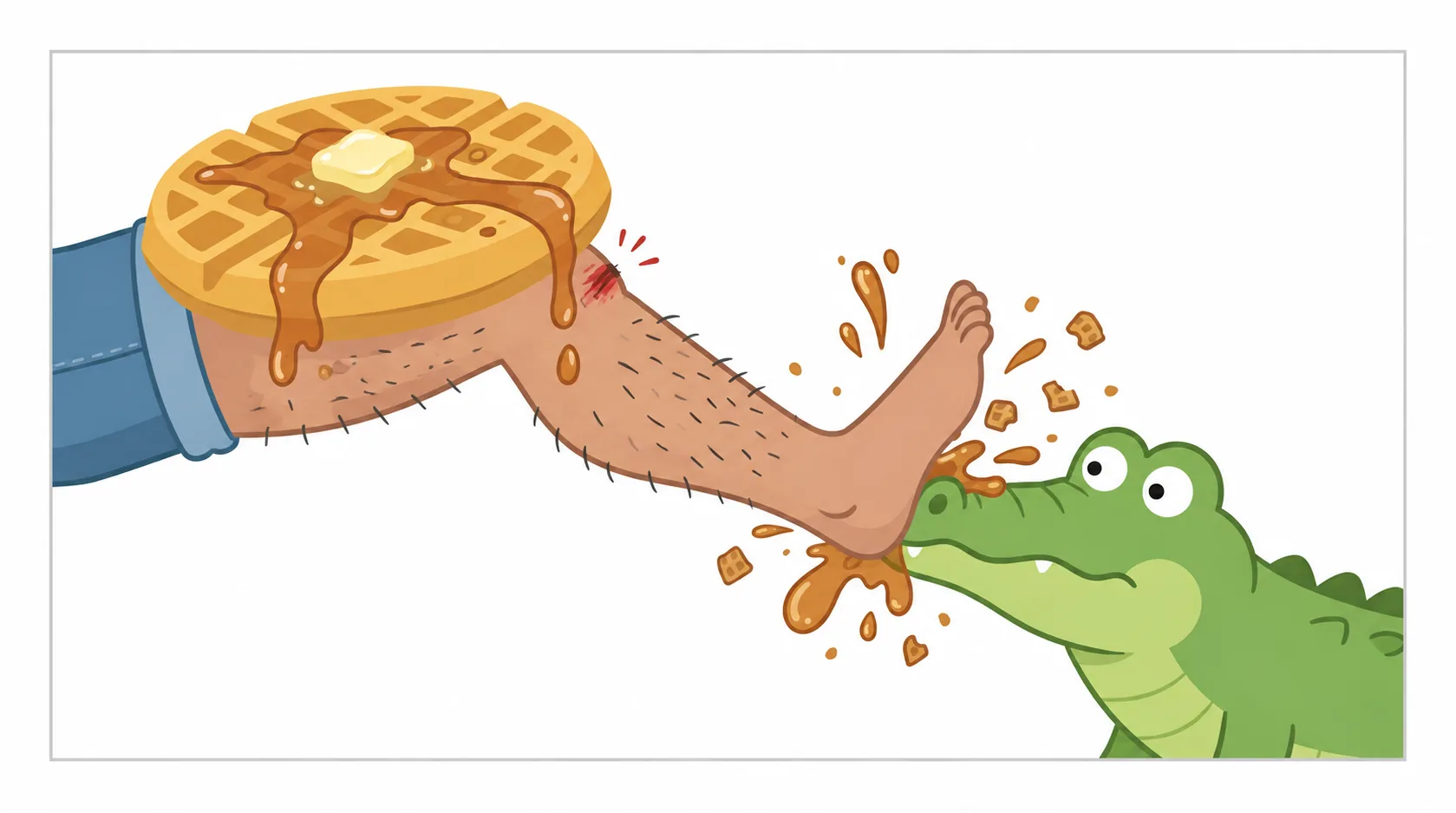
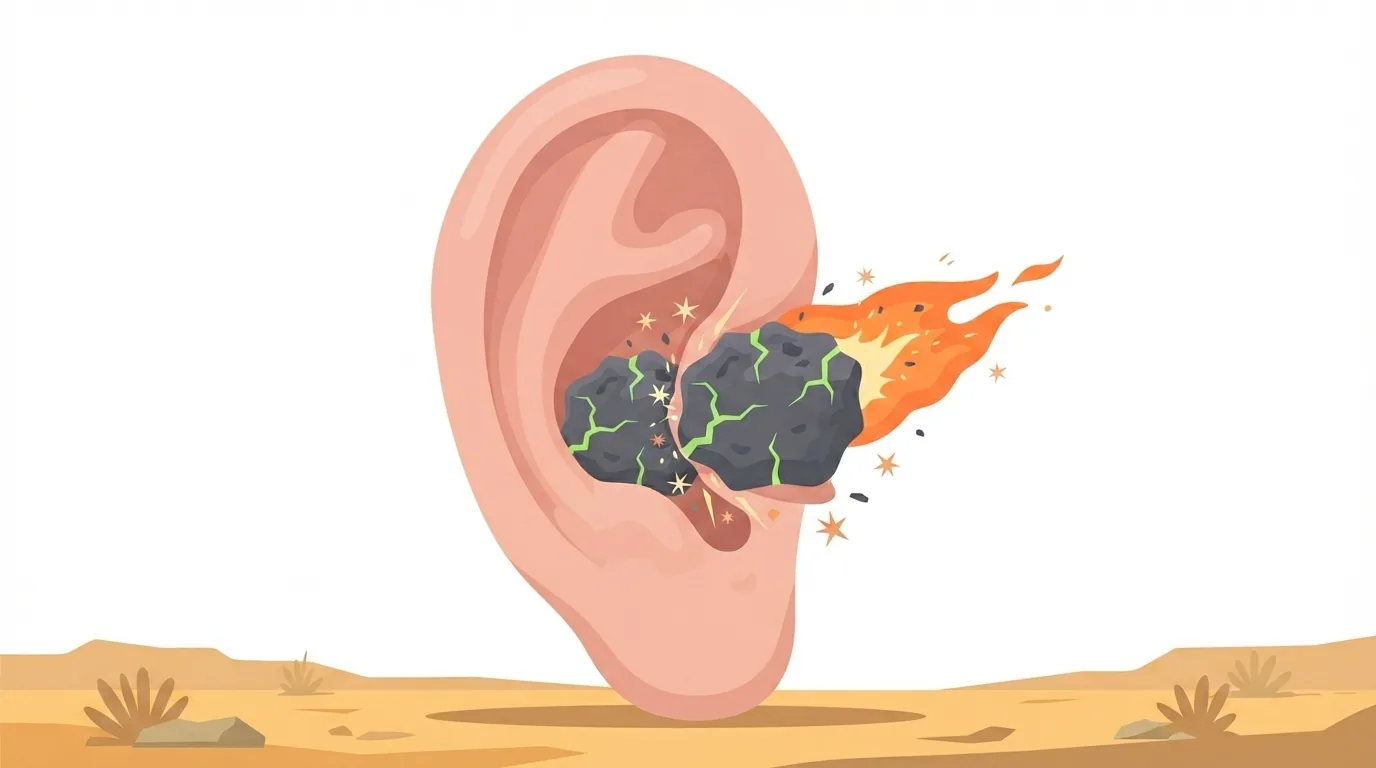
Start with concrete, everyday words: animals, family, food, places. They are easy to picture and you will use them in your first sentences. Remlori's first chapter teaches 98 of them, each with a picture built from its sounds:




3. Learn one polite sentence pattern
The single most useful pattern is [noun] desu: "it is [noun]". ねこです。 (Neko desu.) means "It's a cat." This everyday polite style is a useful starting point for speaking with people you do not know well. See desu.
4. Add the small words that glue sentences together
Japanese marks each word's role with a short particle after it. Start with these three:
- wa marks what you're talking about.
- wo marks the thing an action is done to.
- mo means "too" or "also".
Verbs go at the end of the sentence, and a polite verb ends in -masu.
5. Practise by building sentences, not just reading them
Reading a sentence and understanding it is much easier than producing one. Put sentences together yourself from the words you know, and say them out loud. Short daily sessions beat long weekly ones.
What to skip for now
- Kanji. They matter later, but you can learn to speak and read simple sentences in hiragana first.
- Casual and honorific speech. Learn polite desu/masu Japanese first; it is a useful starting style for everyday conversations.
- Long word lists. A few hundred well-learned words get you much further than thousands half-remembered.
Remlori follows this order. Chapter 1 is free.
Start Japanese Lesson 1