Remlori › Korean › Hangul chart for beginners: letters, blocks and audio examples
Hangul chart for beginners: letters, blocks and audio examples
Hangul letters combine into syllable blocks. Start with the 14 basic consonants and 10 basic vowels below, then hear how they work in real words.
Basic consonants
| Letter | Reading aid |
|---|---|
| ㄱ | g/k |
| ㄴ | n |
| ㄷ | d/t |
| ㄹ | r/l |
| ㅁ | m |
| ㅂ | b/p |
| ㅅ | s |
| ㅇ | silent / ng |
| ㅈ | j |
| ㅊ | ch |
| ㅋ | k (aspirated) |
| ㅌ | t (aspirated) |
| ㅍ | p (aspirated) |
| ㅎ | h |
ㅇ is silent at the start of a block, as in 아. At the bottom of a block it sounds ng, as in 강. ㄹ varies with its position; English r and l are only rough guides.
Basic vowels
| Letter | Reading aid |
|---|---|
| ㅏ | a |
| ㅑ | ya |
| ㅓ | eo |
| ㅕ | yeo |
| ㅗ | o |
| ㅛ | yo |
| ㅜ | u |
| ㅠ | yu |
| ㅡ | eu |
| ㅣ | i |
eo and eu each represent one vowel, not two English vowel sounds. Use recordings instead of reading them as “ee-oh” and “ee-you.”
Double consonants and compound vowels
The five tense consonants are ㄲ, ㄸ, ㅃ, ㅆ and ㅉ. They contrast with both the plain and aspirated consonants; saying an English consonant louder is not a reliable substitute.
Additional vowels are ㅐ (ae), ㅒ (yae), ㅔ (e), ㅖ (ye), ㅘ (wa), ㅙ (wae), ㅚ (oe), ㅝ (wo), ㅞ (we), ㅟ (wi) and ㅢ (ui). Pronunciation varies in modern speech: for example, many speakers merge ae and e. Treat this as a spelling chart and learn each word with audio.
Read blocks in order
With a vertical vowel, the consonant goes left: ㄴ + ㅏ → 나. With a horizontal vowel, the consonant goes above: ㅁ + ㅜ → 무. A final consonant goes underneath: ㅅ + ㅏ + ㄴ → 산.
Listen to real blocks in words
나 · I / me (casual)
na
Picture and sound mnemonic
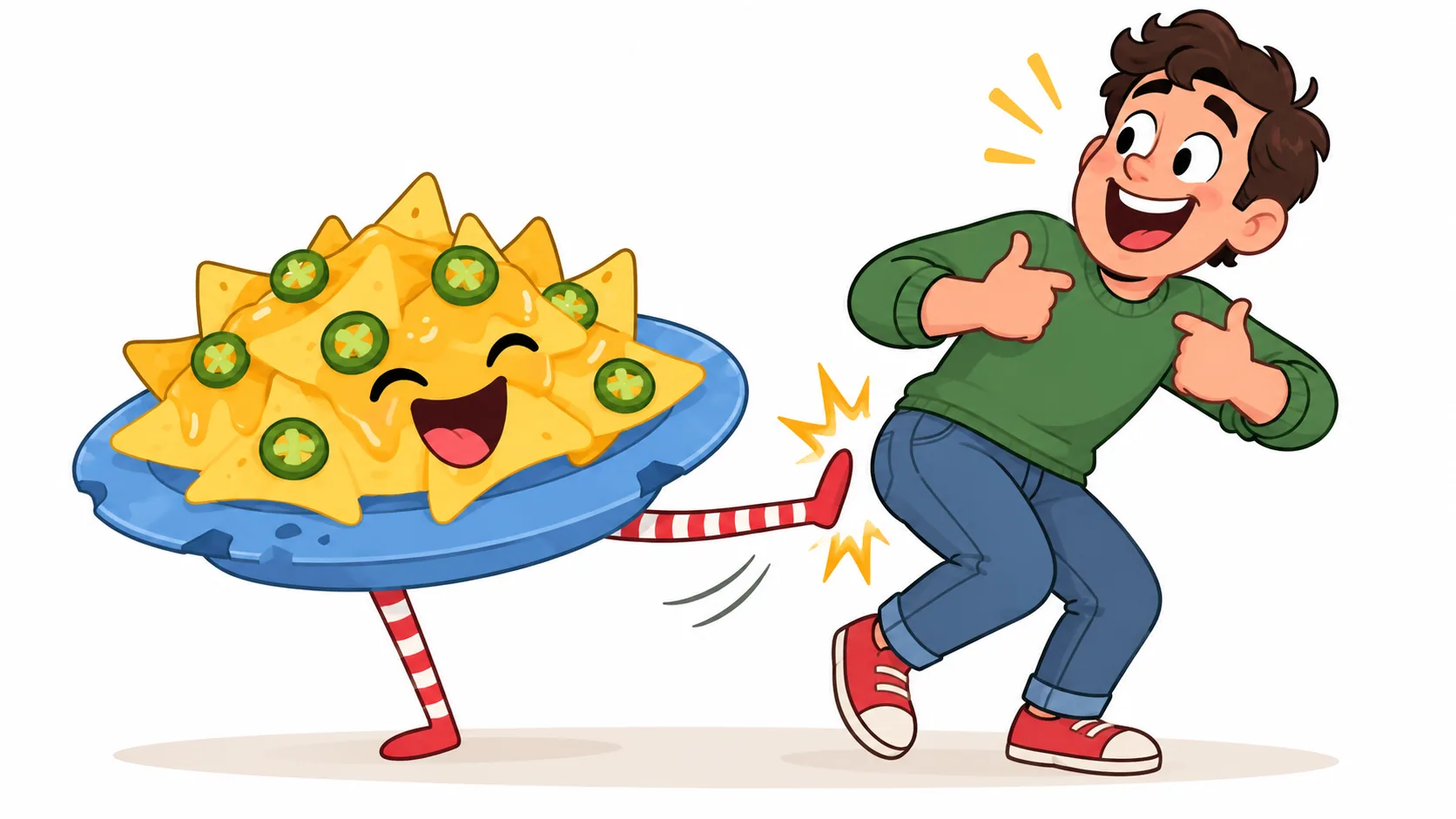
나 (na) → Nachos
오이 · cucumber
oi
Picture and sound mnemonic
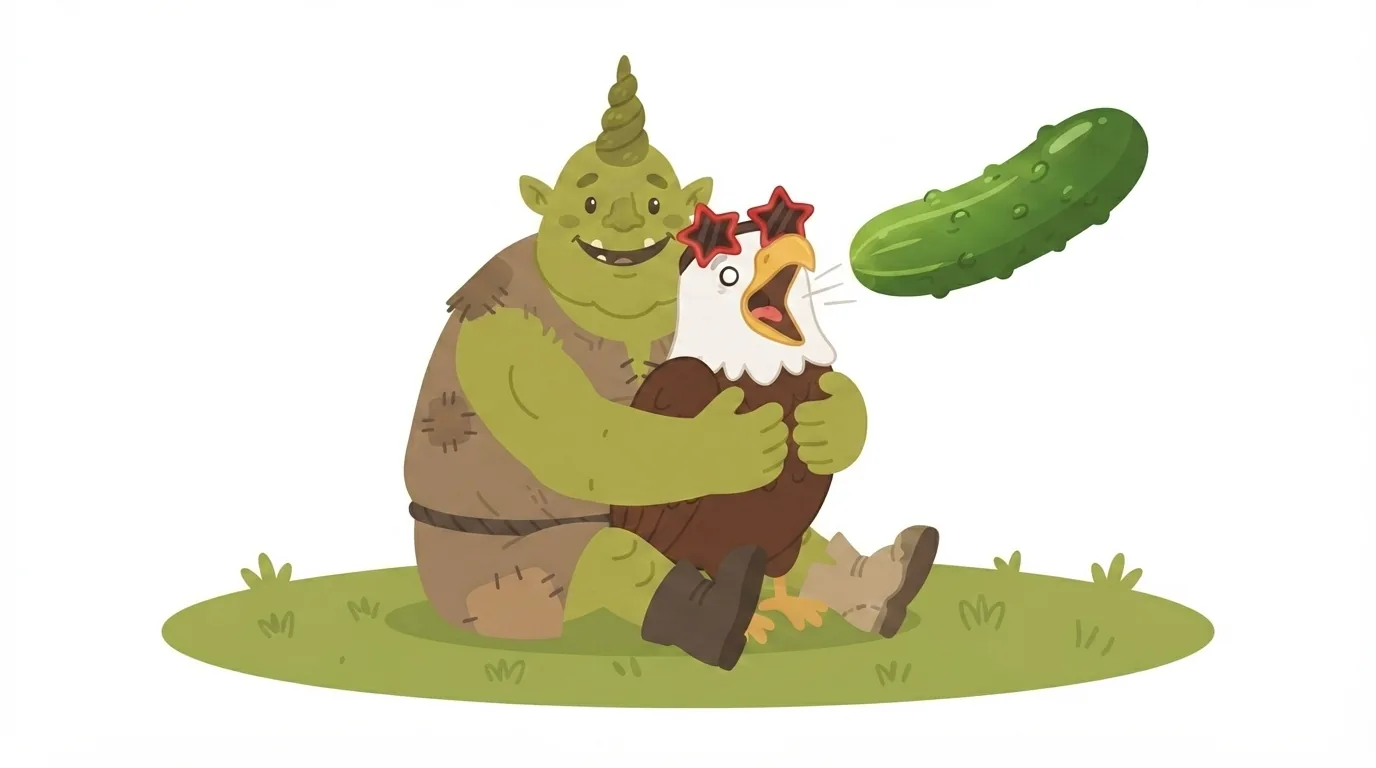
오 (o) → Ogre + 이 (i) → Eagle
우유 · milk
uyu
Picture and sound mnemonic

우 (u) → Ooze + 유 (yu) → Unicorn
산 · mountain
san
Picture and sound mnemonic

사 (sa) → Salsa + ㄴ (n) → Nail
물 · water
mul
Picture and sound mnemonic
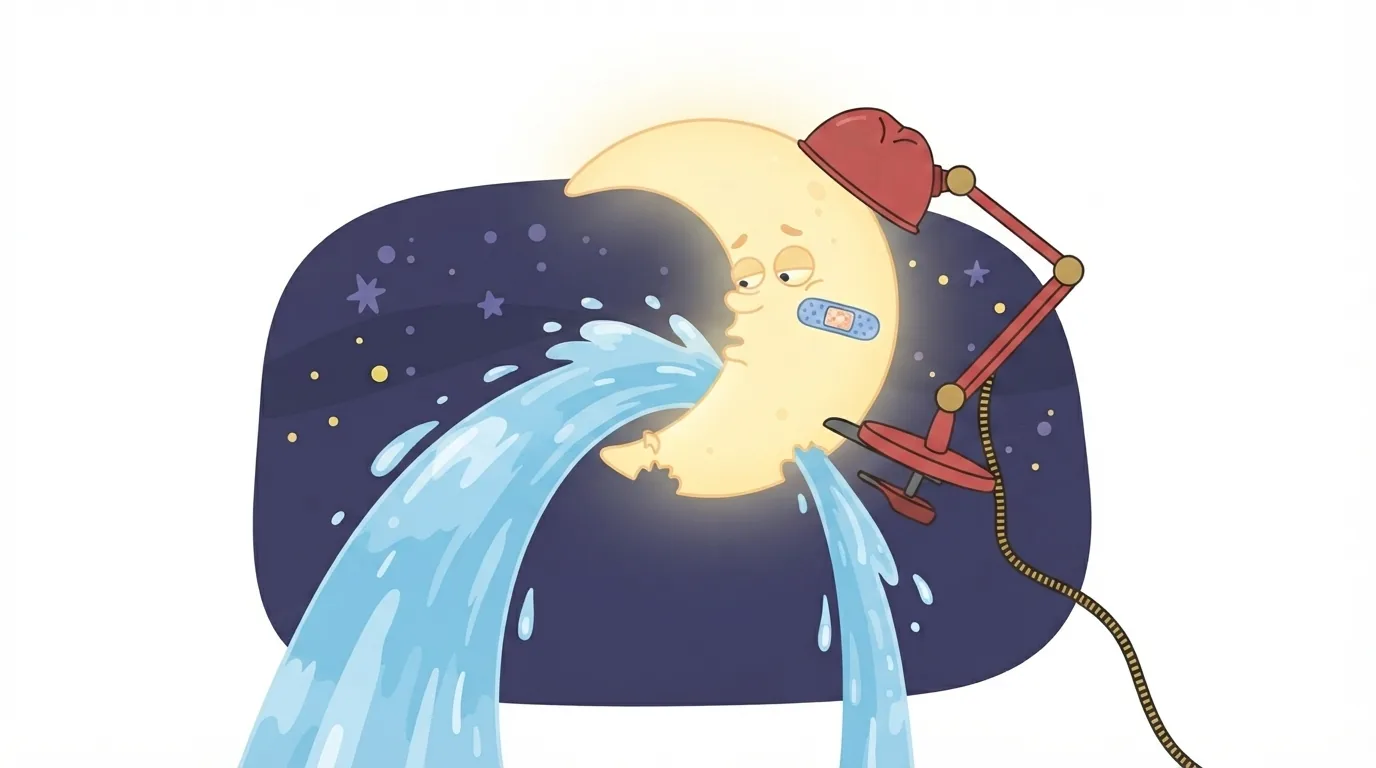
무 (mu) → Moon + ㄹ (l) → Lamp
강 · river
gang
Picture and sound mnemonic

가 (ga) → Garlic + ㅇ (ng) → Ping
What changes at the bottom of a block?
A bottom consonant is called batchim. At a pause, written final consonants fall into seven basic final sounds: ㄱ, ㄴ, ㄷ, ㄹ, ㅁ, ㅂ and ㅇ. A following syllable can change how the consonant is pronounced. See the batchim chart and connected-word examples.
Practise assembling blocks · Test your reading · Try Korean word mnemonics
Written by Remlori using examples and media from our beginner course. Alphabet reference: National Institute of Korean Language, Hangul principles. Romanization approximates the sound; use the recordings when practising.
Learn your first sounds, words and sentences. Lesson 1 needs no account.
Start Korean Lesson 1